

April marks Earth Month; a time to reflect on the collective responsibility we share in protecting our environment and advancing sustainable practices across all sectors.
For the hospitality industry, sustainability is both an opportunity and an obligation. Hotels play a unique role in shaping how people travel, consume, and engage with their surroundings, making environmental stewardship an essential part of delivering exceptional guest experiences.
This Earth Month, we are proud to spotlight the meaningful work taking place across our membership. From innovative energy solutions to community-driven initiatives, our member hotels are demonstrating that sustainability is not a single action, but an ongoing commitment to a more responsible and resilient future.
Energy Efficiency & Innovation
Across our member hotels, energy efficiency and smart technology are playing a key role in advancing sustainability efforts. Many properties, including Best Western Plus Travel Hotel Toronto Airport, Radisson Blu Toronto Downtown, Novotel Toronto Centre, The Anndore House, Pantages Hotel, and Hotel Victoria have implemented LED lighting retrofits throughout their buildings, significantly reducing energy consumption.
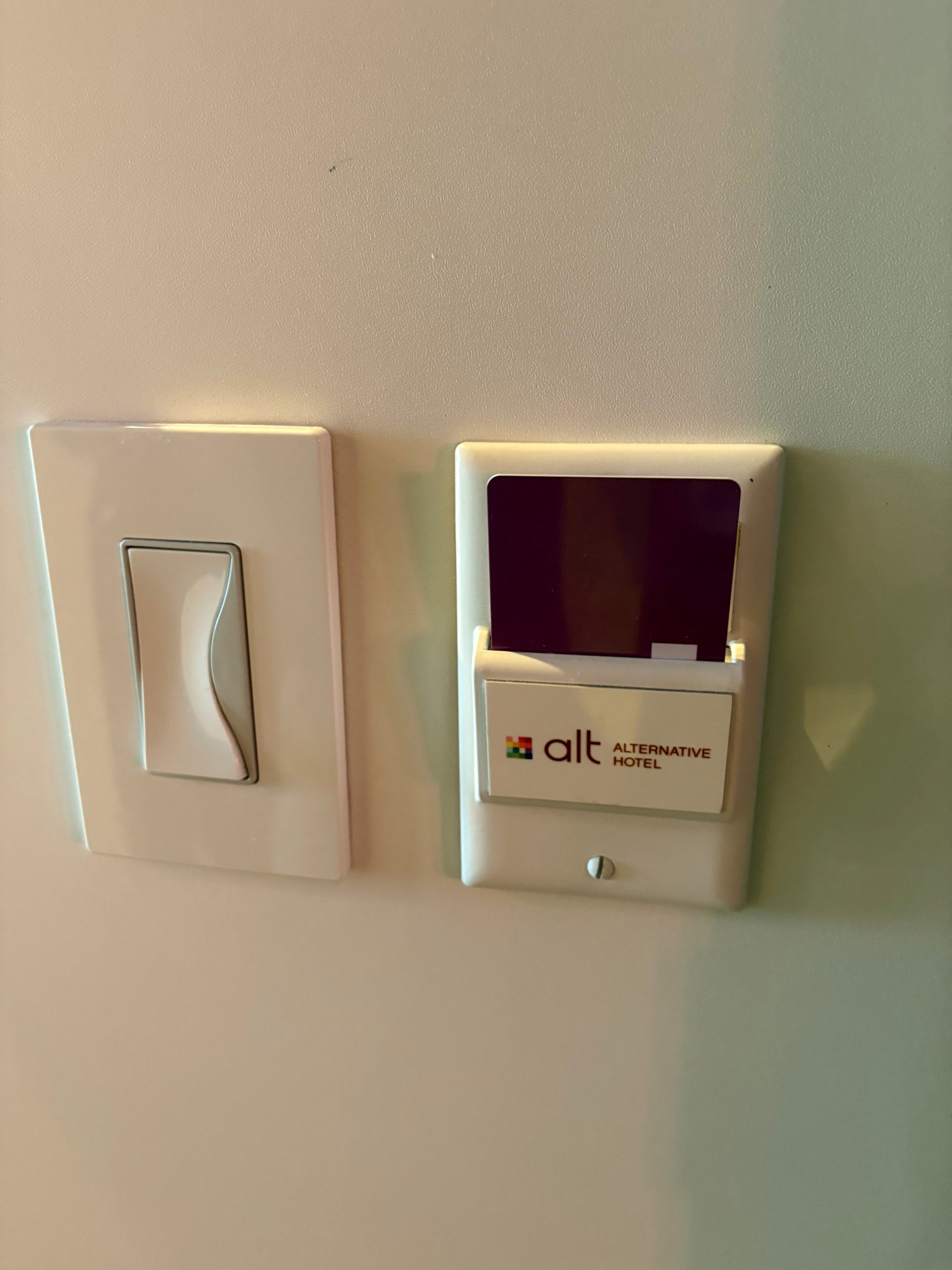
Hotels are also embracing smart systems to optimize operations. At Union Hotel, motion-sensor technology and energy-efficient thermostats help regulate room temperature based on occupancy, minimizing unnecessary energy use. Similarly, properties like Chelsea Hotel are incorporating motion sensors and automated lighting controls in low-traffic areas, while also exploring further upgrades such as digital thermostats and energy-efficient infrastructure.
Innovation extends beyond lighting and controls. Alt Hotel has adopted geothermal heating technology, dramatically reducing utility usage, while EV charging stations and green design elements, such as living walls, are enhancing both sustainability performance and the guest experience.

Waste Reduction & Community Impact
Waste reduction and community engagement are central to how many of our member hotels approach sustainability. Many of our member properties have reduced the use of single-use plastics through initiatives such as refillable in-room amenities and water refill stations.
Many hotels are also prioritizing responsible sourcing. Silver Hotel Group properties source a significant portion of their products locally, particularly within their food and beverage programs, while hotels like Alt Hotel and Best Western Plus emphasize partnerships that support Canadian producers and reduce environmental impact.
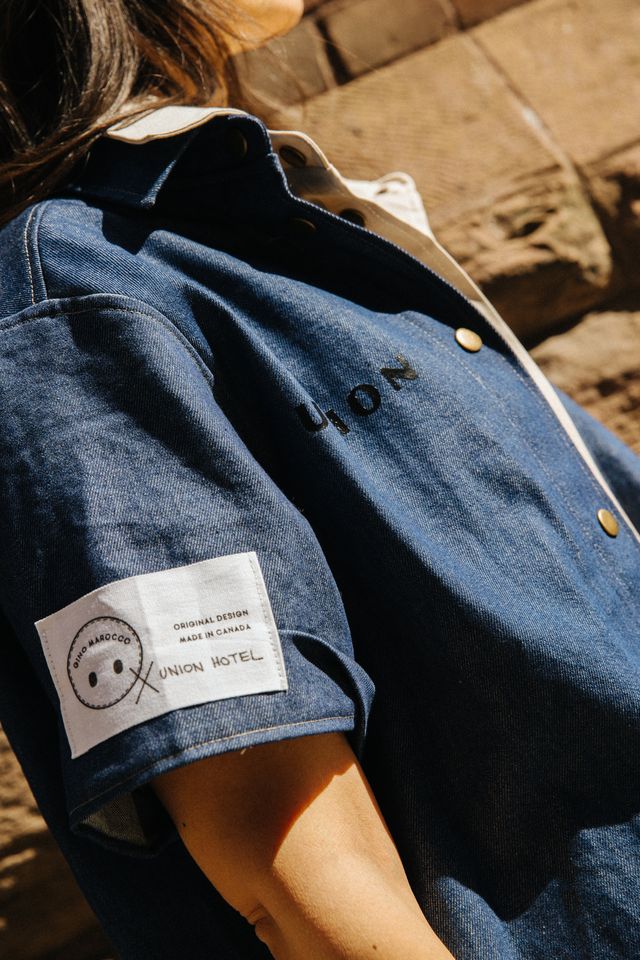
Innovation in sustainability extends to design and operations. At Union Hotel, locally designed uniforms made from repurposed materials and recycled furnishings highlight a commitment to circular practices. Meanwhile, recycling programs, including initiatives like in-room coffee pod recycling, further reduce waste at the property level.
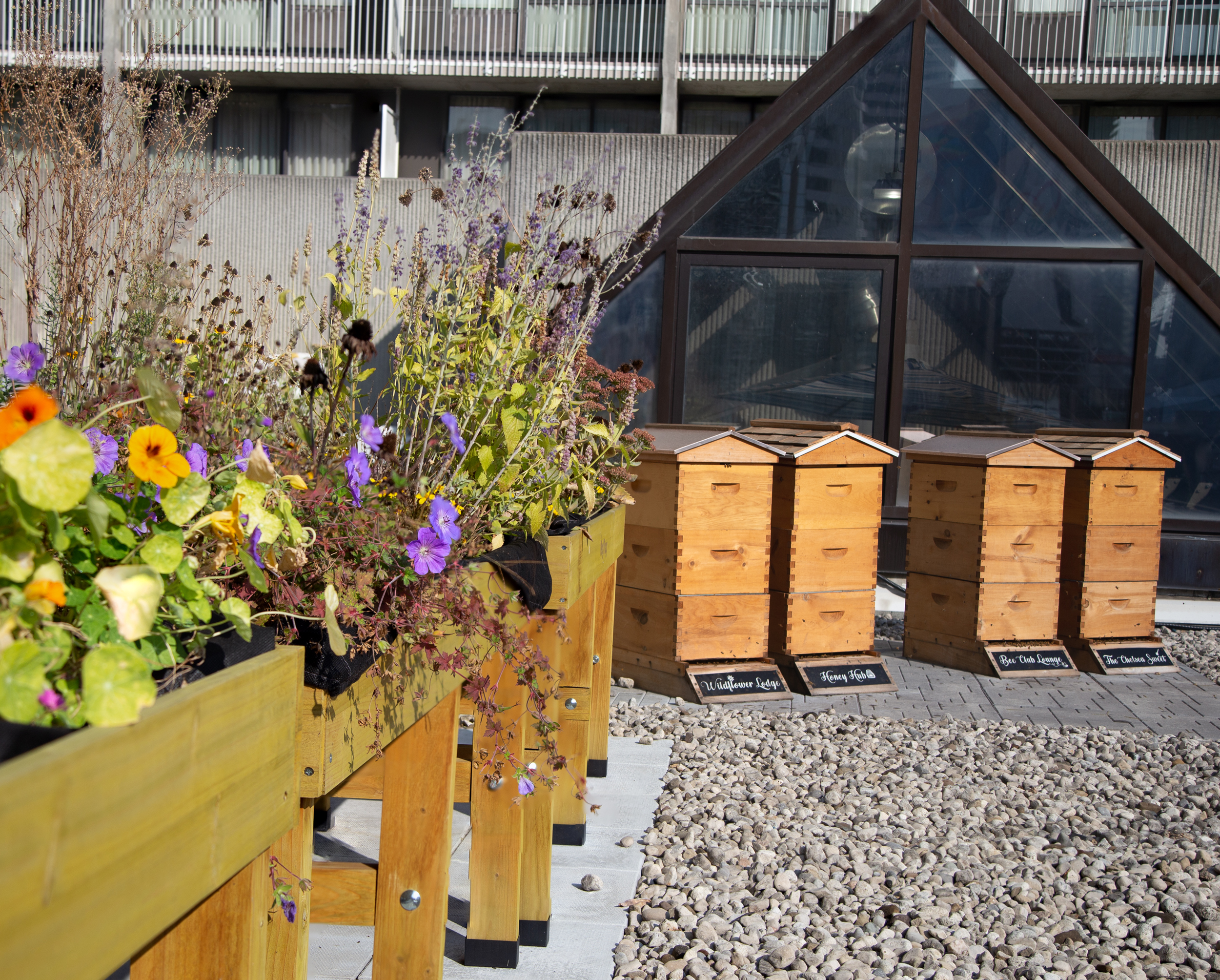
Community impact is also a key focus. Chelsea Hotel leads a number of initiatives, including food donation programs in partnership with Second Harvest, organic waste diversion, and collaborations that support biodiversity, such as on-site beehives in partnership with Toronto Bee Rescue. Many properties also participate in local clean-up efforts, donation programs, and creative reuse initiatives that give back to the community.
In 2025 the GTHA launched a partnership with La Tablée des Chefs and many members signed up to participate such as the Fairmont Royal York, Delta Toronto and Westin Harbour Castle. From June 2025 (when the partnership began) to December 2025, eight of our member hotels joined and together helped recover and redistribute 35,673 servings to local charities and shelters.
Together, these efforts demonstrate how waste reduction and community partnerships can create meaningful environmental and social impact across the hospitality industry.
Water Conservation & Operational Practices
Water conservation and sustainable operations are embedded in the day-to-day practices of many of our member hotels. Properties such as Chelsea Hotel have implemented low-flow showerheads, water-efficient toilets, and faucet diffusers to significantly reduce water usage, while linen reuse programs help minimize both water and energy consumption. At Best Western Plus and Alt Hotel, linens are also repurposed through donation programs, extending their lifecycle and reducing waste.
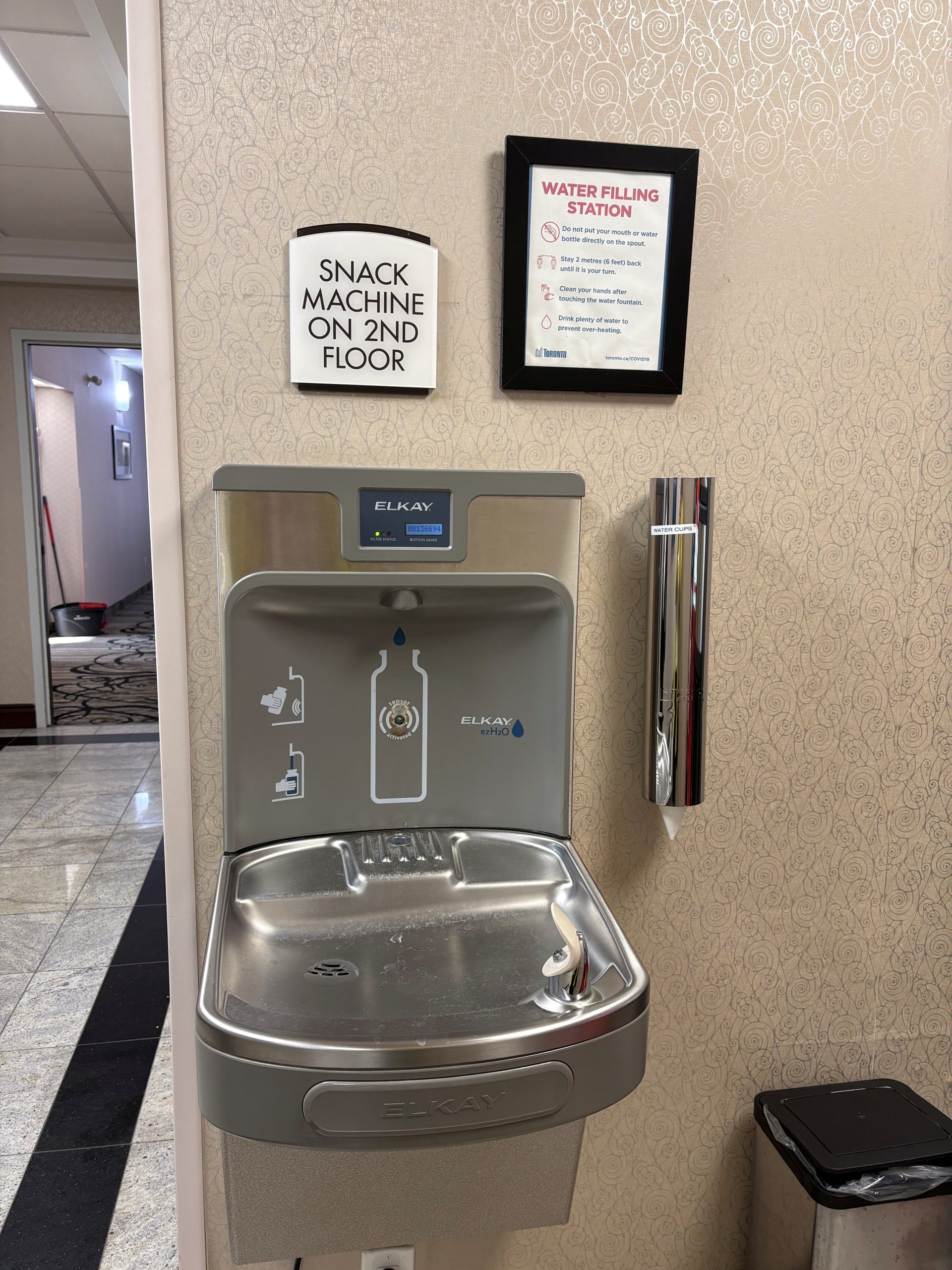
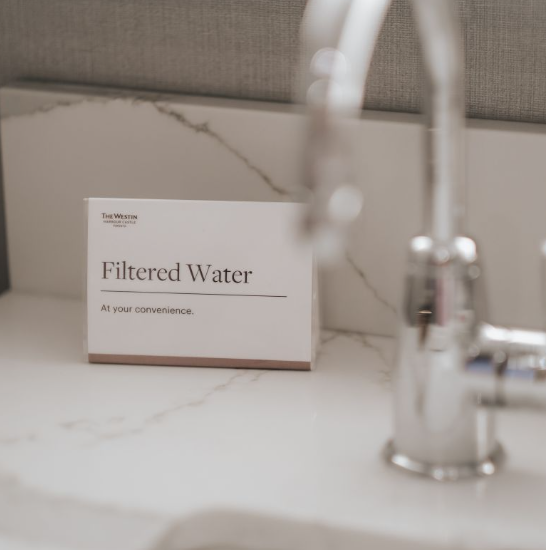
Guest-facing initiatives are also making an impact. Hotels like The Westin Harbour Castle and Alt Hotel provide alternatives to single-use bottled water through filtered in-room water and refill stations, encouraging more sustainable guest behaviour. Alt Hotel further supports circular practices by offering reusable guest items that are cleaned and repurposed locally, specifically slippers for guest use.
Equally important is the role of staff engagement. Many properties, including Chelsea Hotel, have implemented comprehensive sustainability training programs and internal green teams to ensure environmental practices are integrated across operations. Participation in recognized certification programs further reinforces accountability and continuous improvement.
Together, these initiatives highlight how operational practices and employee engagement play a critical role in advancing water conservation and sustainability across the hospitality industry.

From small changes to large-scale investments, our members are demonstrating that sustainability is a journey driven by commitment and innovation. This Earth Month, we celebrate their efforts and the positive impact they are making across our industry and communities.